
PCOS and Nutrition: A Dietitian’s Guide to Nourishing Hormonal Harmony
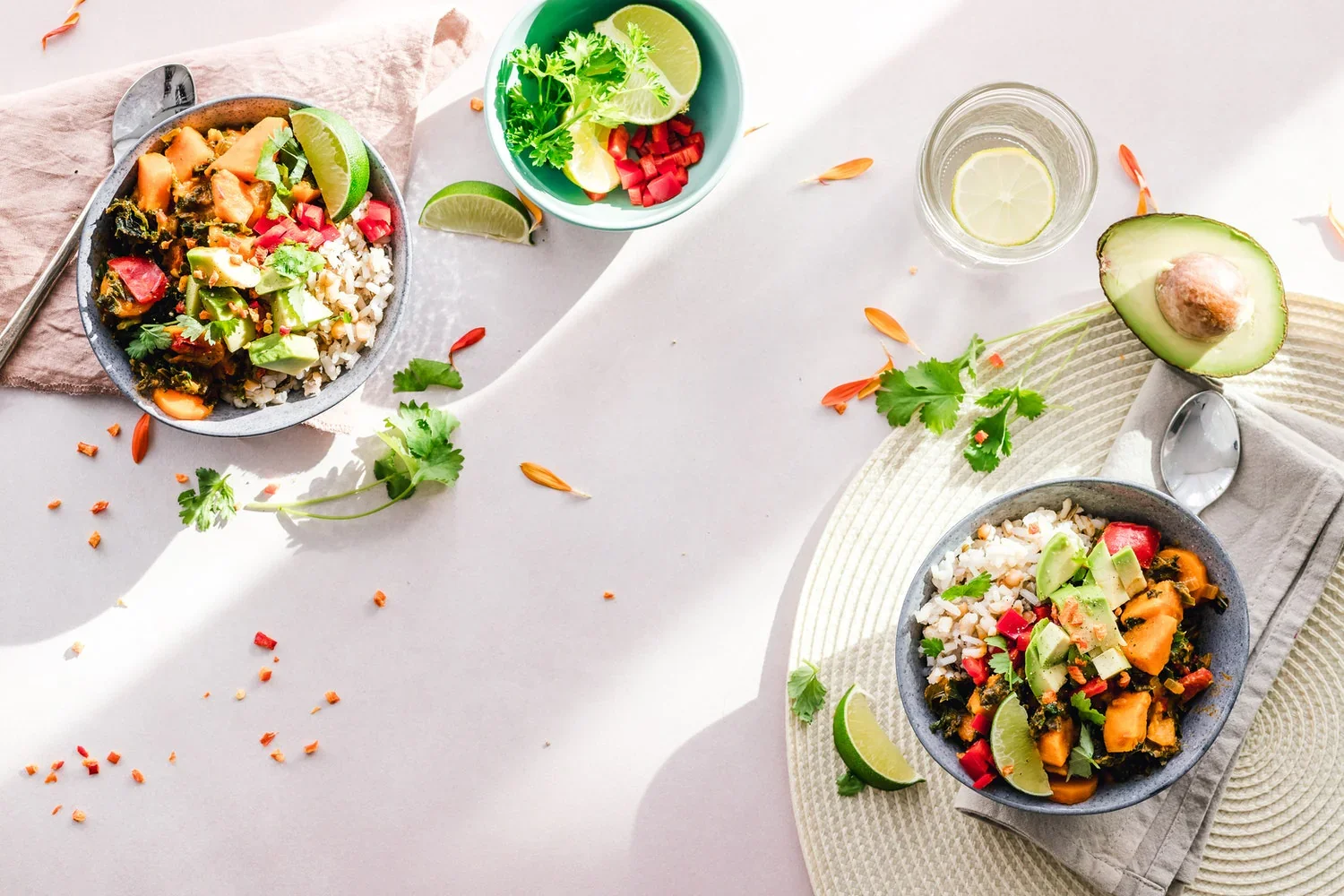
Polycystic Ovary Syndrome (PCOS) can feel like a confusing tangle of symptoms - irregular periods, unwanted hair growth, fatigue, skin issues, and frustrating weight changes. It’s one of the most common hormonal conditions affecting women. But as complex as it is, one thing is clear: nutrition plays a powerful role in managing PCOS symptoms and supporting long-term health.
This guide is here to help you understand the science, debunk some myths, and feel more confident in your next steps - whether you’ve just been diagnosed or are years into your PCOS journey.
So, What Is PCOS, Really?
PCOS is a hormonal condition characterised by at least two of the following three features (known as the Rotterdam Criteria):
Irregular or absent periods
Higher levels of androgens (male-type hormones), often seen as acne, excess facial/body hair, or scalp hair thinning
Polycystic ovaries visible on an ultrasound
It’s not caused by anything you did wrong - it’s a multifactorial condition influenced by genetics, hormones, and how your body processes insulin. That last part brings us nicely to the role of nutrition.
The Insulin Connection
Many people with PCOS have insulin resistance, meaning their cells are less responsive to insulin, leading to higher insulin levels in the blood. This can trigger the ovaries to produce more androgens, worsening symptoms.
Addressing insulin resistance through food, movement, stress support, and sleep can help regulate periods, support fertility, reduce acne and hirsutism (excess hair), and lower long-term risks like developing type 2 diabetes or heart disease.
Nutrition Strategies That Actually Help
1. Balance Your Meals: Protein, Fat, and Fibre
The goal isn’t to eat less - it’s to support your hormones and blood sugar through steady, nourishing meals. Each meal should ideally include:
Protein: e.g., eggs, Greek yogurt, fish, tofu, chicken, turkey, lentils
Healthy fats: e.g., avocado, olive oil, nuts and seeds
Fibre-rich carbs: e.g., oats, brown rice, brown pasta, wholegrain bread, quinoa, sweet potato, or whole fruit
This combination helps prevent spikes in blood glucose and insulin, keeping you fuller for longer and reducing cravings.
Example breakfast: Overnight oats made with Greek yogurt, chia seeds, berries, and a drizzle of peanut butter.
2. Don’t Fear Carbs — But Choose Wisely
Carbs aren’t the enemy. But for those with insulin resistance, the type and timing of carbs matter more.
Choose whole grains (like brown rice, brown pasta, wholewheat crackers, quinoa)
Pair carbs with a protein or healthy fat source to slow digestion
Spread them throughout the day, rather than loading up all at once e.g. do not skip meals or go all day without eating until the evening time.
There’s no need to cut carbs completely - in fact, that can backfire by disrupting energy, mood, and hormone balance.
3. Fibre is Your Hormonal Ally
Fibre can help reduce insulin spikes, promote fullness, support gut health, and even help with oestrogen clearance.
Aim for around 25–30g of fibre per day, coming from:
Vegetables (especially leafy greens and cruciferous veg like broccoli, keep the skins on veggies if they have it)
Fruit (berries, apples, pears with skin on)
Legumes (chickpeas, lentils, black beans)
Whole grains (oats, rye, whole wheat products)
4. Be Cautious with Supplements - But Consider These
The supplement aisle for PCOS can be overwhelming (and expensive). While individual needs vary, here are some evidence-backed options to consider with your dietitian or doctor:
Inositol (especially Myo-inositol): May help improve insulin sensitivity and cycle regularity
Vitamin D: Often low in people with PCOS; supports insulin sensitivity and immune function
Omega-3s (DHA): May reduce inflammation and triglycerides
Magnesium and Zinc: May support insulin sensitivity and reduce androgens in some individuals
Reminder: Supplements are not a replacement for food or medical advice. Test your levels where possible, and avoid megadoses without guidance.
PCOS and Weight: Let’s Talk Compassionately
Weight management is often recommended in PCOS care - but this conversation is frequently over-simplified and can become triggering. Research shows that even modest improvements in nutrition and lifestyle can support hormonal balance, independent of weight change.
Our approach at The Nourished Thread?
Focus on behaviours, not numbers
Ditch restrictive diets - they don’t work long-term
Nourish your body to feel better, not just to “fix” it
Honour your hunger, build satisfying meals, and enjoy food again
Other Key Lifestyle Supports
Nutrition is powerful, but PCOS is a whole-body condition. Consider these additional tools:
Sleep: Aim for 7–9 hours per night - don’t stay up late working or scrolling! Sleep deprivation can worsen insulin resistance.
Stress: Cortisol (stress hormone) can disrupt cycles and blood sugar. Try walking, journaling, or yoga. Make time for yourself - work can wait!
Movement: Not for weight loss, but to improve insulin sensitivity, mood, and cycle health. Think joyful movement - not punishment. Something you actually enjoy doing - walking is a perfect place to start if you don’t already exercise!
Final Thoughts: You Are Not Alone
PCOS is frustrating, no doubt. But there’s so much you can do - starting with giving your body consistent, balanced nourishment. Small, consistent changes make a difference. And you don’t need to do this perfectly to see progress.